If you have coronary artery disease, chest pain, or other heart conditions, your provider may recommend interventional cardiology procedures. At Advanced Health Associates, our experienced team offers advanced, minimally invasive treatments to restore blood flow, relieve symptoms, and improve heart function. Call today or request an appointment online to learn more about our interventional cardiology services.
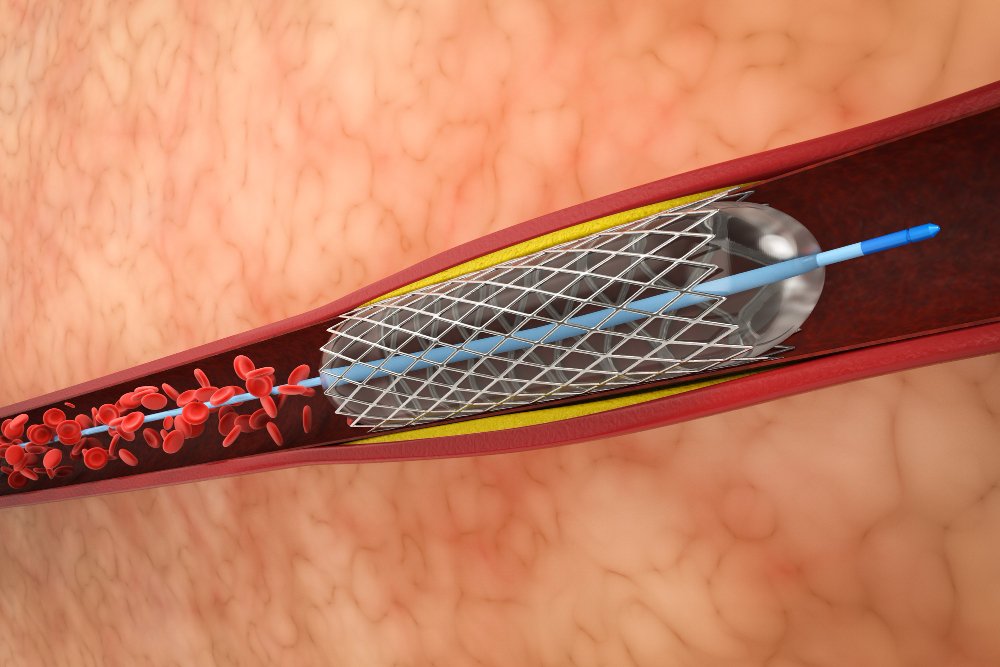
Interventional cardiology is a branch of cardiology that uses minimally invasive procedures to diagnose and treat heart and blood vessel conditions. Instead of traditional open-heart surgery, interventional procedures use catheters, balloons, and stents inserted through small incisions, typically in the wrist or groin, to restore blood flow and improve heart function.
Your provider may recommend interventional cardiology if you have:
Chest pain or angina
Coronary artery disease
Heart attack or high-risk blockages
Peripheral artery disease
Structural heart problems (e.g., valve disorders)
Symptoms not fully managed by medication
Interventional cardiology is often a safer alternative to open-heart surgery, offering shorter recovery times and fewer risks.
Common interventional procedures include:
Angioplasty: A balloon is used to open narrowed arteries.
Stent placement: Small mesh tubes keep arteries open after angioplasty.
Atherectomy: Removes plaque buildup from blood vessels.
Peripheral interventions: Restores blood flow in arteries outside the heart, such as in the legs.
Structural heart procedures: Minimally invasive treatments for valve or septal defects.
These procedures are guided by advanced imaging technology to ensure precision and safety.
At Advanced Health Associates, we provide cutting-edge interventional cardiology services with a focus on safety, precision, and improving your quality of life. Call the office today or request an appointment online to learn if interventional cardiology is right for you.